ROCUSAR
Roads-customs-army.
The strategic and economic role of beneficiarii in Dacia and Moesia Inferior
Drumuri-vămi-armată.
Rolul strategic și economic al beneficiari-lor în Dacia și Moesia Inferior
Proiect PN-IV-P1-PCE-2023-0083
About
Argument
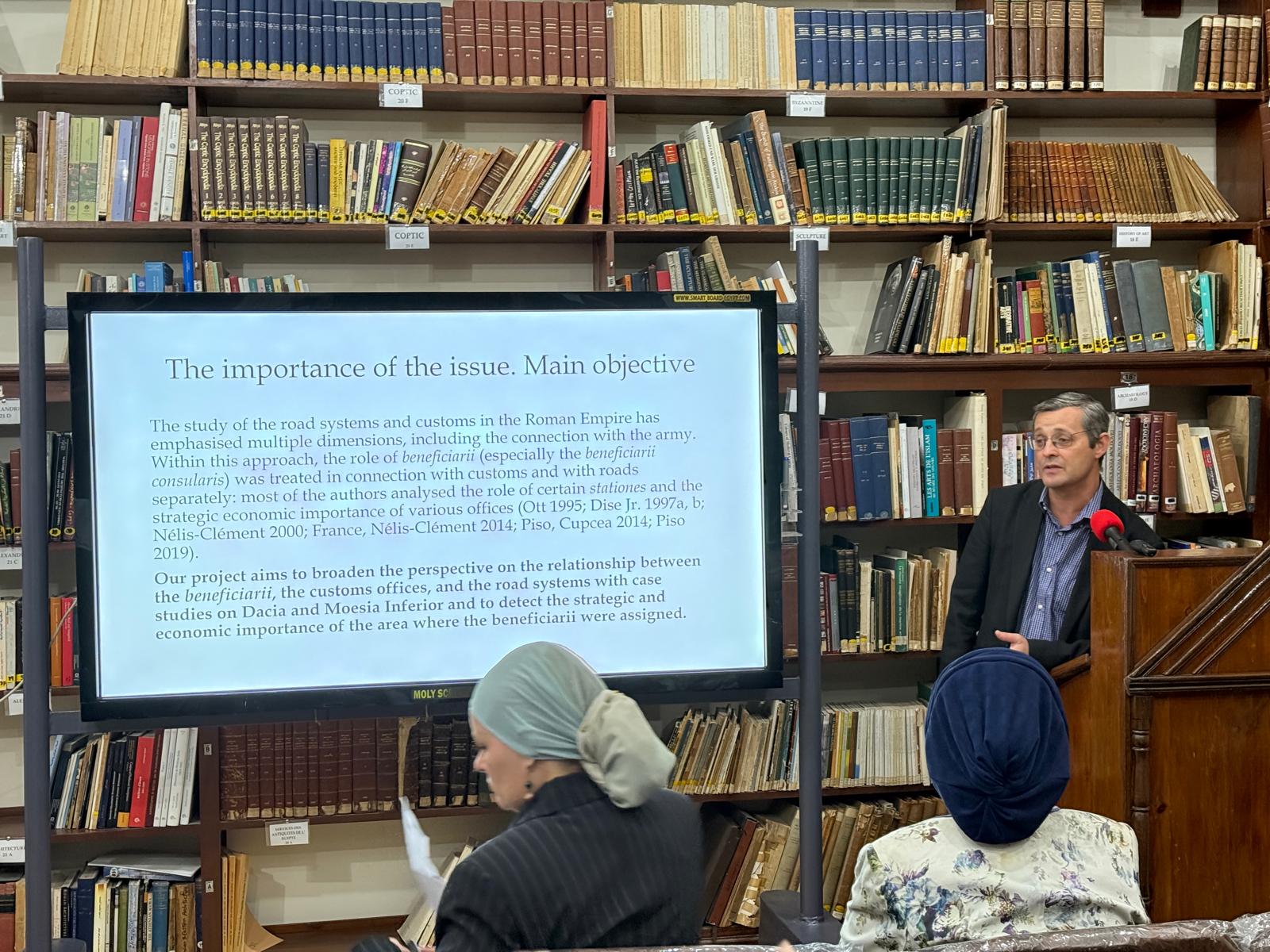
The importance of the issue. The study of the road systems and customs in the Roman Empire has emphasised multiple dimensions, including the connection with the army. Within this approach, the role of beneficiarii (especially the beneficiarii consularis) was treated in connection with customs and with roads separately: most of the authors analysed the role of certain stationes and the strategic economic importance of various offices (Ott 1995; Dise Jr. 997a, b; Nélis-Clément 2000; France, Nélis-Clément 2014; Piso, Cupcea 2014; Piso 2019). The important finds of Osterburken (Osterburken I, II) and Sirmium (Mirkovic 1994) highlight once again the essential role of the stationes of beneficiarii in surveying the strategic points of different provinces. The synthesis edited by J. France and J. Nélis-Clément (2014) draws attention to the importance of stationes as the expression of imperial power; moreover, the authors underline the practical issues of representing the imperial power in the provinces from economic and strategical points of view. For the Lower Danube provinces (Dacia and Moesia Inferior), historians studied mostly particular issues (especially the role of stationes in connection with roads). Still, they paid less attention to the type of roads and these connections’ economic or strategic purposes. The works of F. Fodorean (for Dacia) (2014), I. Madzarov (2009) and A. Panaite (for Moesia Inferior) (2015, 2016) are instrumental in mapping the Roman roads in the provinces. Fodorean’s approach was based on ancient maps, but except the case of Potaissa, the archaeologic and epigraphic sources were less exploited. Madzarov’s and Panaite’s approaches were based on archaeologic and epigraphic sources, but the connection with the beneficiarii was scarcely considered. In the last years, the book edited by Anne Kolb (2019) provides both new informations and new perspectives on Roman roads. The study of Roman customs, including the Lower Danube area, represents an old concern of scholars (Rostovtzev 1902; De Laet 1949; Gostar 1951; Piso 2013). Within the publicum portorii Illyrici, Moesia, and later Dacia represent important segments of tax perception: this is illustrated by both epigraphic and archaeological sources mentioning conductores (later procuratores), clerks of lower rank and attesting building of stationes (Porolissum – see Gudea 1996). The customs administration elite and lower-ranking clerks were studied in books or articles (Mihailescu-Bîrliba 2006, 2010; Piso 2013). However, the role of beneficiarii in the customs system was less studied or neglected. It is worth noting the studies of Opreanu (1994) and, more recently, of Piso (2019) for the missions of beneficiarii in Samum, for resource protection in Dacia (Țentea 2009) or in Moesia Inferior, especially in Montana (Rankov 1983; Dise Jr. 1997b; Ivanov, Luka 2015). I have noticed in a recent study that in Moesia Inferior, there are several customs offices assigned to the missions of the beneficiarii consularis (Mihailescu-Bîrliba 2021). It was certainly a preliminary study, but I have raised the question whether the double presence of customs clerk-beneficiarius is a particular feature of the province or whether it can be subscribed to a certain practice within the Empire. On the other hand, the mission of beneficiarii on protecting the roads and Roman commerce is beyond doubt. Still, a detailed study on the connection between and presence of these officers and the roads themselves had not been carried out yet. The state of research is rich with examples on this topic, though studies consecrated to the precise connection between roads, customs, and beneficiarii had not yet been produced. For the place of beneficiarii in the Roman army, it is worth noting the landmark book of von Domaszewski (1908). As I have stated before, the elements of this connection were treated separately, or the topic was subsequently studied. I already referenced older works of Rostovtzev (1902), De Laet (1949) or the more recent of Rankov (1983), Ott (1995), Dise Jr (1997a, b), Nélis-Clément (2000), Fuhrman (2012), Piso (2019). The book edited by J. France and J. Nélis-Clément provides new perspectives on the statio, but especially a global vision of how the central authority (i.e., the emperor) acts through different agents in reaching various strategic and economic objectives in the provinces. Works were also dedicated to roads in Dacia and Moesia Inferior. F. Fodorean (2014) discusses in his books especially the relationship between the archaeological finds and the cartographic information on the roads. I. Madzarov (2009) and A. Panaite (her PhD thesis, but see also 2015) provide reliable epigraphic, archaeological and cartographic information on roads in Moesia Inferior. These works are instrumental in mapping the primary and secondary roads in the above–mentioned provinces. Still, I think identifying the strategic spot on the roads where the beneficiarii were active is also important.
Our project aims to broaden the perspective on the relationship between the beneficiarii, the customs offices, and the road systems with case studies on Dacia and Moesia Inferior and to detect the strategic and economic importance of the area where the beneficiarii were assigned. Besides, a general investigation of beneficiarii in the provinces mentioned above has yet to be carried out. The works of Ott (1995) and Nélis-Clément (2000) only provide some case studies in Danube provinces within their general analysis on beneficiarii in the western regions. The article of Piso (2019), even though exhaustive, discusses only a statio in Dacia. One of the purposes of our project is to follow the specificity of the activities conducted by beneficiarii in connection with the particular economic, social, and military circumstances of Dacia and Moesia Inferior. Another important aim of the project consists in identifying new possible roads in Dacia and Moesia Inferior, based on the evidences of beneficiarii.
Moreover, we intend to achieve the mapping of the stationes of beneficiarii in connection with the roads and the customs offices. Indeed, their tasks can sometimes be road surveyings and tax collecting protection. The setting of the double presence of customs offices and beneficiarii represents a brand-new approach implemented in our project to identify the possible tasks of beneficiarii in these particular cases. Some missions can be identified by relating the chronology of inscriptions to the historical events of the period. Another important issue will be comparing the tasks assigned to beneficiarii from other provinces (especially Danube provinces, like Noricum, the Pannnoniae, Moesia Superior, and other western provinces – the Hispaniae, the Galliae or the Germaniae).
In this respect, we will determine whether the Lower Danube provinces (or each one separately) can be subscribed to certain practices assigned to beneficiarii. There are nuances concerning the selection of our sources. It is worth noting that only some texts mentioning the beneficiarii directly prove that their office was in the finding place. This is the case mainly with votive inscriptions. The funerary inscriptions do not necessarily indicate that the beneficiarii were in duty in the place where they are commemorated. Our approach will not consider the texts attesting to veterans (former beneficiarii).
On the other hand, we will not only study the texts that indicate these officers’ active involvement in the provinces’ economic life but also the archaeological finds connected to this presence, if applicable. The social integration of beneficiarii during and after their service will be another perspective we intend to broaden. Their connections with economic activity can explain their potential economic networks or social integration into provincial life.
Difficulties and limitations. Our research’s main difficulty consists of the sources’ places (the finding spots). The funerary inscriptions of beneficiarii or the set of monuments of former beneficiarii do not reveal their activity area. We indeed consider the finding spots with many beneficiarii attested (especially votive texts), but we will not neglect the places with one beneficiarius. We will try to study each case and determine precisely if the beneficiarius activated there. Limitations. We will analyse the sources separately and carefully. It is clear that the missions of beneficiarii do not include only customs and road surveillance, but for Dacia and Moesia Inferior, sources are relatively silent in this respect). However, the number of texts containing precise information can provide a comprehensive and convincing image of the issues stated before (the role of beneficiarii in the economic and strategic systems of Dacia and Moesia Inferior).
2) Degree of originality. To ensure meaningful results, the project relies on different approaches. In addition to identifying the connections mentioned above, we propose a spatial perspective concerning the mapping of roads, customs offices, stationes of beneficiarii to see the strategic and economic importance of the places where the beneficiarii are involved. This mapping will be handy in analysing the sources. Another project aim is to identify (if possible) the type of merchandise transported on the roads or the object of taxation in the customs offices. The project also relies on a comparative approach attained using two points of view. Firstly, a comparative analysis of the activity of beneficiarii will be carried out concerning the customs and the business connected to them, and the roads and their strategic importance. Secondly, as stated before, we will address the necessity of a selective comparison with the same issues in other provinces. We will follow a chronological distribution of the text, trying to find a relationship between the dating of inscriptions and the history of both provinces. The project’s primary aim is to identify and underline the role of the beneficiarii in the economic and strategic system of both provinces and interpret how this involvement was integrated into the broader pattern of Roman policy in assigning the missions for beneficiarii.
Our project proposes a study of the economic role of beneficiarii within the customs system of Dacia and Moesia Inferior (tertia pars in the publicum Portorii Illyrici) and the strategic positions of stationes of beneficiarii in the road system of these provinces. This study has not been carried out before. There are more than 120 inscriptions attesting beneficiarii in the two provinces, most of them votive inscriptions (almost 90). We should not neglect, however, the find spots of epitaphs which can be related to their mission. The importance of the topics is revealed by integrating the results in the global context of the information regarding the beneficiarii in the same contexts of the publicum Portorii Illyrici, to achieve a synchronic and diachronic view related to other provinces of the empire (especially Rhetia, Noricum, Pannoniae, and Upper Moesia). The analysis perspective and the investigation methods (presented below in a more detailed way) confer an exploratory character upon our project. My previous research in the field, including studies of the last years (Mihailescu-Bîrliba 2019a, b, 2021, 2023) on the economy and army in Daco-Moesian provinces, also guided the choice of this project. As seen from my list of publications, I have the complete expertise to lead this project (see section B2, primarily works 2, 4, 5, 7, 8, 9, and 10, but related issues to the topic are to find in all mentioned works). Moreover, the works published in the last project I led prove that my project management capacity produces meaningful results (http://history.uaic.ro/recret/).
Objectives, methodology and work plan
1) Objectives: O1. The detailed analysis of the state of the art concerning customs, roads, and beneficiarii in Dacia and Moesia Inferior. An approach such as the one presented in these pages is necessary and will represent an original historiographic contribution, highlighting the dynamics in this scientific domain and the nuances of the aspects addressed; we will re-evaluate, if possible, the positions of customs offices within the road systems of the province. O2. The analysis of literary sources on the project’s main issues. Even if the information is scarce, collecting, emphasising, and synthesising this information will be useful for the project and as a new historiographical achievement. We will gather information about beneficiarii and their connection to customs and roads; O3. The mapping of customs offices and of the roads in Dacia and Moesia Inferior through the information provided by epigraphic and archaeological sources. Most customs stationes are known; however, we will try to integrate the geographic positions of the offices within the economic importance of the settlements (including the type of taxed merchandise). We will also try to connect a military presence (not only beneficiarii) to the nearest customs stationes. We will also follow a diachronic perspective to identify the dynamics of the customs office (if applicable). Regarding the roads, much information is synthesised by the works of Fodorean (2014), Madzarov (2009) and Panaite (2015), but we will use the ArcGIS application to have a complete image of the road network in the provinces mentioned above. A diachronic analysis will also be carried out. O4. The analysis of epigraphic sources on beneficiarii in Dacia and Moesia Inferior. We will consider the sources mentioning the beneficiarii in places where they have missions. The same diachronic approach as in the case of O3 and O4 will be achieved. This identification is difficult, but our corpus will not include the funerary inscriptions or the texts attesting to veterans. However, attention should be drawn to each particular case. We will distinguish the categories of beneficiarii (consularis, procuratoris, legati legionis, etc.) and try to identify (if possible) the main units where they worked. We will try to provide an overview of the social integration of beneficiarii during and after their service and to set connections between their economic tasks and the possible economic and/or social networks within the provincial society. All the objectives O3–O4 will provide original results. Our project, as detailed above, relies on historical sources. Still, suppose archaeological investigations are necessary in the case of new data. In that case, the expertise of several team members (I. C. Opriș, L. Bîrliba, I. Piso, R. Varga, F. Matei-Popescu) will solve this issue. One of the team members (A. Honcu) has expertise in working with the ArcGIS application. O5. The setting of the double presence of beneficiarii – customs office in each province. We will identify the possible tasks of beneficiarii within the customs system. Each main identified task will be explained. One of the meaningful and original results will be to know whether we can integrate these tasks in the specific economic frame of each province. O6. The setting of the presence of beneficiarii in imperial properties. The beneficiarii were known to be active in the imperial mining areas (Alburnus Maior in Dacia and Montana in Moesia Inferior, for example). Firstly, we will identify (if possible) other mining areas where the beneficiarii could be active (metals or salt exploitations). Secondly, we will set the substantial involvement of beneficiarii in the economic activities of the imperial properties. O7. The spatial analysis of the stationes of beneficiarii and the identification of new possible roads in the provinces, based on their evidence. We will connect the find spots (in cases where the existence of a statio is certain or almost certain) with the road or the proximity of the road where they are active. We will also try to establish the eventual missions assigned to beneficiarii and, thus, identify the strategic role they are accomplishing. It is worth noting that, in some cases, it is difficult to find the answers. Still, some missions can be identified by relating the chronology of inscriptions to historical events of the period. A study of this type has not yet been achieved. Identifying new roads in the studied provinces will represent a brand new approach, which can provide important paths of new archaeological or spatial analyses. O8. The achievement of the synthesis, considering the accomplishment of the previous achievements. The main issue will follow the particularities of the involvement of beneficiarii in the economic and strategic systems of Dacia and Moesia Inferior related to the specific issues of the provinces. It will emphasise the comparative approach with other Western provinces, especially those belonging to the publicum portorii Illyrici and thus with the Danube-Balkan area. Another important and original issue will emphasise if the Moesian and Dacian provinces can represent together a model of recruitment within the Roman Empire.
2) Work strategy. The approach will include, as already stated, several methods that were applied partially or not at all for our research: 1) the epigraphic investigation to analyse the presence of beneficiarii next to customs offices and their eventual connection. In this respect, the team members’ previous studies for Lower Moesia or Dacia (Piso 2019; Mihailescu-Bîrliba 2021) are relevant. 2) investigating literary and juridical sources regarding the ancient authors’ opinion on the customs organisation and the publicum portorii Illyrici; 3) the prosopographic investigation to follow the mobility of beneficiarii (if possible), their family connections, and their relationships with the customs clerks. 4) the archaeological investigation, if necessary; this method will be applied for the synthesis of the archaeological file on customs and beneficiarii stationes and if relevant archaeological finds will be discovered; 5) the spatial analysis, to generate the interactive maps of customs offices and action areas of beneficiarii, on the one hand, and roads of Dacia and Moesia Inferior, and stationes of beneficiarii, on the other hand. In this respect, using the ArcGIS application will be extremely relevant. One of the team members (Ana Odochiciuc) was a postdoctoral researcher at “Babeș-Bolyai” University of Cluj-Napoca with a project on ArcGIS use in connection with epigraphy (https://hiphi.ubbcluj.ro/evenimente?n=prelegere_prezentare.html) (see also Honcu, Varga 2023); 6) also, the global method used for our analysis is novel, because it combines several methods, already applied in various fields, in an interdisciplinary approach. In this way, our project has an exploratory character because it proposes a model (or models) of the activity of beneficiarii in the Lower Danube provinces of the Roman Empire and emphasises their role in connection with the economy or strategy of the Imperium Romanum in the area.
Several milestones will be achieved: the mapping of customs offices in the provinces as mentioned earlier, the mapping of main and secondary roads in Dacia and Moesia Inferior, the epigraphic analysis of beneficiarii in the studied area, the setting of beneficiarii involvement in the economic system of the provinces, the setting of the beneficiarii military missions within the strategy of the Roman State, and whether their activity can be integrated into a model specific to the limes provinces of the Empire.
3) Workplan. The project proposes the following work plan (some activities and objectives will be fulfilled partialy in the same time by dividing the tasks to the team members:
O1. The detailed analysis of state of the art concerning customs, roads, and beneficiarii in Dacia and Moesia Inferior (months 1-6). Activities: 1.1. Documentation of the bibliographical support to create the theoretical framework of the project; 1.2 Analysis of the acquired data; 1.3. Presentation of the project in public conferences; 1.4. Creating the website of the project. O2 (months 7-12). The analysis of literary sources on the project’s main issues. Activities: 1.1. Documentation of the literary records on customs, clerks, publicum portorii Illyrici, roads and beneficiarii; 1.2 Analysis of literary data; 1.3. Participation in international conferences.
Deliverables for O1 and O2: 1. Documentation of the literary records and the modern primary bibliography to create the theoretical frame of the projects’ scientific support; 2. Media actions: presentation of the project in public conferences and through its website, communicating its results in the media; 3. Public report: 12 months after starting the project. They will include all information about work progress and the first publication within the project. The pieces will be available on the project’s website; 4. Publication of three articles in high-ranked international journals (WoS and ERIH +) and/or in volumes in collaboration with high-ranked international publishing houses.
O3. The mapping of customs offices and the roads in Dacia and Moesia Inferior through the information provided by epigraphic and archaeological sources (months 13-18). Activities: 3.1. Analysis of epigraphic data concerning the customs officescand the roads 3.2. Analysis of archaeological data concerning the customs offices and the roads; 3.3. Mapping the obtained datausing ArcGIS. O4. The analysis of epigraphic sources on beneficiarii in Dacia and Moesia Inferior (months 19-24). Activities: 4.1. Analysis of epigraphic data concerning beneficiarii in Dacia; 4.2. Analysis of epigraphic data concerning beneficiarii in Moesia Inferior; 4.3. Analysis of case studies.
Deliverables for O3–O4: 1. Lectures and conferences about the project’s current objectives: will include specific project topics; 2. Media actions: will consist of all information about the project’s contents and work progress; 3. Publications: will consist of five articles at high-ranked international journals (WoS and ERIH +) and volumes published in collaboration with high-ranked international publishing houses; 4. Public report: 24 months after starting the project. They will include all information about work progress and the first publication within the project. The pieces will be available on the project’s website.
O5. The setting of the double presence beneficiarii – customs office in each province (months 25-30). Activities: 6.1. Identifying the double presence; 6.2. Achievement of a chronology of related sources; 6.3. Mapping the double presence using ArcGIS; 6.4. Explanation of this double presence. O6. The setting of the presence of beneficiarii in imperial properties (months 28-33). Activities: 7.1. Identifying all the texts attesting to the beneficiarii on imperial properties in Dacia and Moesia Inferior provinces; 7.2. Mapping the presence of beneficiarii on imperial properties using ArcGIS; 7.3. Achievement of the contrastive approach for the two provinces by explaining this presence.
Deliverables for O5-O6. 1. Lectures and conferences about the project’s current objectives: will include specific project topics; 2. Organising an international conference in Iași on the economic involvement of beneficiarii in the two provinces, including the comparative approach with other provinces of the Latin West; 3. Media actions: will include all information about the project’s contents and work progress 4. Publications: will consist of four articles at high-ranked international journals (WoS and ERIH +) and volumes published at high-ranked international publishing houses, publication of a volume in an international publishing house or at a CNCS high-ranked publishing house.
O7. The spatial analysis of the stationes of beneficiarii (months 28-33). Activities: 8.1. Identifying the stationes of beneficiarii in the analysed provinces; 8.2. Mapping the stationes using ArcGIS; 8.3. Achieving the contrastive approach, identifying the possible missions of beneficiarii. O8. The achievement of the synthesis, considering the accomplishment of the previous achievements (months 31-36). Activities: 9.1. Synthesis of the achieved results; 9.2. Achievement of the contrastive approach between the two provinces; 9.3. Achievement of contrastive approach with other provinces of the Roman Empire; 9.4. Integrating the results (if possible) in a model (or models) for the role of beneficiarii in the economic and strategic systems of the limes provinces of the Roman Empire.
Deliverables for O7–O8: 1. Lectures and conferences about the project’s current objectives: will include specific project topics; 2. Organising the final international conference of the project; 3. Media actions: will consist of all information about the project’s contents, work progress, and the public report. The last report will be the synthesis report of the project; 4. Publications: publication of the final conference’s proceedings (at an international publishing house), where each team member will publish an article.
C3. Project feasibility: available resources
“Alexandru Ioan Cuza” University of Iași, specifically the Faculty of History, will be the central administrative entity leading the project. The Faculty of History has successfully developed in the last decade several research directions: Roman social history, migration and mobility in the Roman world, Romanization, Roman acculturation, as well Roman archaeology (through the Arheoinvest Center – erris.gov.ro/arheoinvest). The faculty has full access to the Association of the Universities, Research & Development Institutes and Central University Libraries in Romania “Anelis Plus” (http://erris.gov.ro/Association-of-the-Universities-). The needed resources are not expensive, they will cover the costs of some new equipments necessary to individual work (laptops, camera). The most important part of the costs will be allocated to publishing activities (books of the project).
Team
Director
 Prof. Dr Lucrețiu Bîrliba (“Alexandru Ioan Cuza” University of Iaşi) (ORCID 0000-0002-8479-466, Brainmap U-1700-039H-6933), has led three significant projects in the field of acculturation and Romanization, cultural interaction and the Roman army in Moesian and Dacian provinces . His expertise is adequate for a project developed around the scientific exploration of the economic and social role of beneficiarii in Dacia and Moesia Inferior.
Team members
 Prof. Dr Ioan Piso (Center of Roman Studies, “Babeş-Bolyai” University Cluj-Napoca) (Brainmap U-1700-026R-9172) is a highly internationally appreciated historian and epigraphist, with recognised expertise in any epigraphic investigation, and in prosopographic analysis and beyond any doubt in Roman army studies, including beneficiarii (2019).
 Dr Florian Matei-Popescu (Institute of Archaeology, Bucharest)(ORCID 0000-0001-5360-042X, Brainmap U-1700-030Z-7023) is a scholar internationally recognised for his works in Roman army studies (2010). His expertise will be necessary and valuable in all the main issues of the project.
 Assoc. Prof. Dr Ioan-Carol Opriș (University of Bucharest) (ORCID 0009-0008-5681-0690, Braimap ID U-1700-039N-6264) has published several studies on the Roman army related to his archaeological research in Capidava, including the customs system (2017). He will take part in the analysis of epigraphic information.
 Assoc. Prof. Dr. Marius Alexianu (“Alexandru Ioan Cuza” University of Iaşi) (ORCID https://orcid.org/0000-0001-8581-5708ș Brainmap U-1700-027S-2670) developed in the last years a project related to anthropology of salt, including salt resources in Dacia (Kavruk, Ștefan, Alexianu,Vasilache 2019, Mihailescu-Bîrliba, Alexianu 2021). His expertise will be necessary in analysing the resources protection in Dacia.
 Dr Roxana-Gabriela Curcă (“Alexandru Ioan Cuza” University of Iaşi) (Brainmap U-1700-036U-1290) has published her PhD thesis on bilingualism and the ethnic interferences in the Roman province Moesia inferior (2011). Her scientific approach uses linguistic tools to observe the interferences between natives and Roman soldiers in the Lower Danube provinces (2019). In the project, she will study the Greek and bilingual inscriptions on beneficiarii in Moesia inferior and the onomastic and prosopographic interferences at the epigraphic level in this province.
 Dr Iulia Dumitrache (U-1700-036M-1020) has developed her career on Roman economy and professional categories. She has articles published abroad (2018 and 2021) and has co-edited a book with the project leader at an international publishing house (2021).
 Dr Rada Varga (Center of Roman Studies, “Babeş-Bolyai” University Cluj-Napoca) (Braimap U-1700-036D-7788, ORCID 0000-0003-3291-5793) is a scholar whose research is focused on the social and economic insertion in the provincial life of different categories of the population. Her research project Romans 1 by 1, the monographs (2014, 2020), the edited books at international publishing houses (2018), her research in the camp of Războieni, and the studies on Batavians (2022) recommend her for the task of the social insertion of beneficiarii in Dacia).
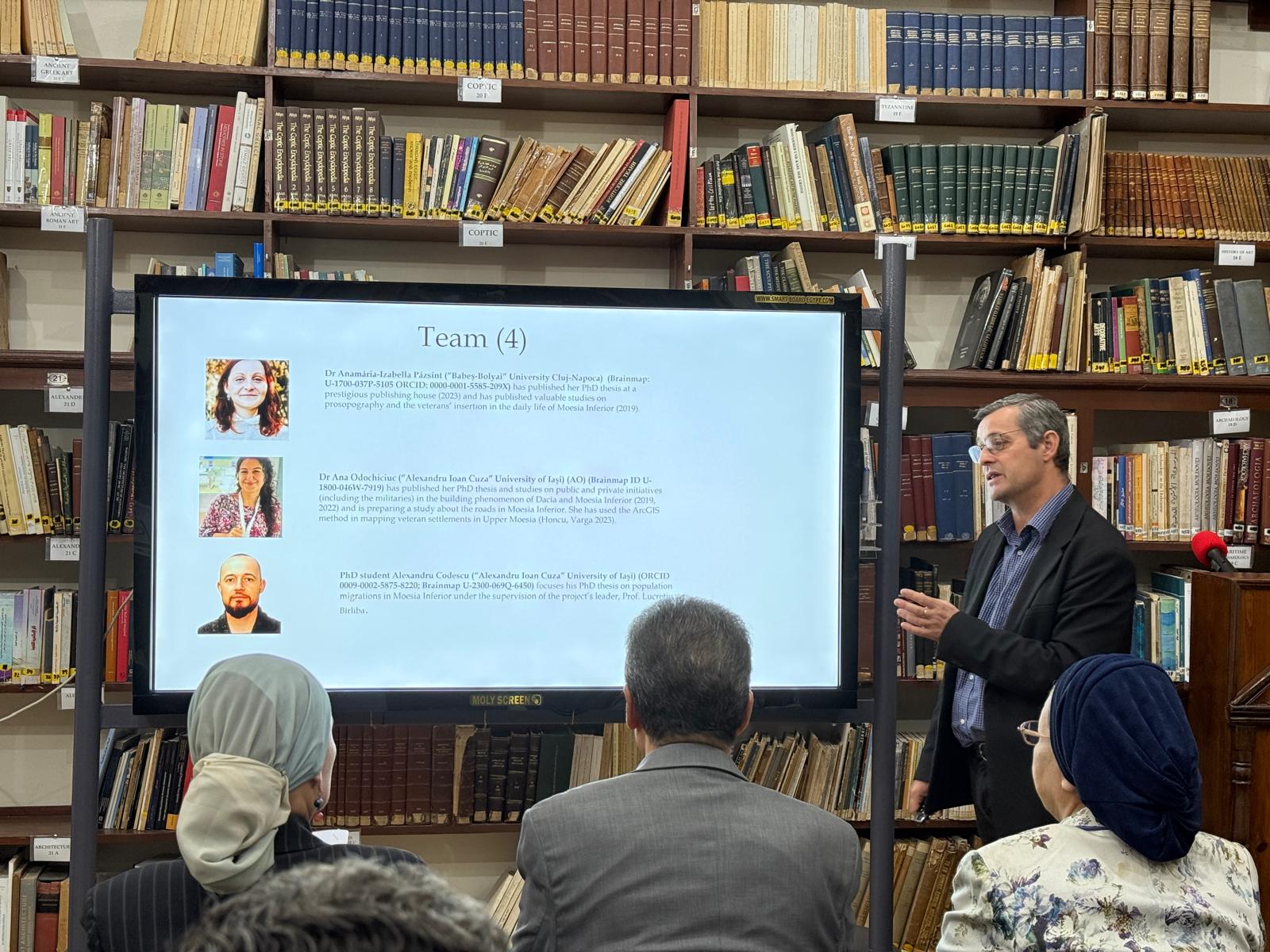
 Dr Anamária-Izabella Pázsint (“Babeș-Bolyai” University Cluj-Napoca) (Brainmap: U-1700-037P-5105 ORCID: 0000-0001-5585-209X) has published her PhD thesis at a prestigious publishing house (2023) and has published valuable studies on prosopography and the veterans’ insertion in the daily life of Moesia Inferior (2019).
 Dr Ana Odochiciuc (“Alexandru Ioan Cuza” University of Iaşi) (AO) (Brainmap ID U-1800-046W-7919) has published her PhD thesis and studies on public and private initiatives (including the militaries) in the building phenomenon of Dacia and Moesia Inferior (2019, 2022) and is preparing a study about the roads in Moesia Inferior. She has used the ArcGIS method in mapping veteran settlements in Upper Moesia (Honcu, Varga 2023).
 PhD student Alexandru Codescu (“Alexandru Ioan Cuza” University of Iaşi) (ORCID 0009-0002-5875-8220; Brainmap U-2300-069Q-6450) focuses his PhD thesis on population migrations in Moesia Inferior under the supervision of the project’s leader, Prof. Lucrețiu Bîrliba.
Results
2025
A. Books
1. L. Mihailescu-Bîrliba, Salt in Roman Dacia. productio, Use, and Strategic Value, Archaeopress, Oxford, ISBN 978-3-447-11687-9. ISBN 9781805831112, DOI 10.32028/9781805831112
B. Articles published in Web of Science-Emerging Sources journals
1. L. Mihailescu-Bîrliba, Thracians at War. The Bar-Kochba revolt reflected in the military diplomas from the Balkan Province, Balkanistic Forum 24/2, 2025, 73-83, ISSN 1310-3970
2. A. Odochiciuc, A. Mihu-Pintilie, L. Mihailescu-Bîrliba, Mapping hinterland resources in the rural hinterland of Greek Poleis Istros and Tomis during the Roman Period, Journal of Ancient History and Archaeology 12, 3, 225-242. ISSN 2360-266X
C. Articole published in international databases-ranked journals
1. I. Piso, Ein beneficiarius aus Dakien aus dem Jahre 163 AD, Studia Antiqua et Archaeologica 31, 1, 141-149. ISSN 1224-2284 (SCOPUS)
D. Book chapters published in international publishing houses
1. L. Mihailescu-Bîrliba, A. Odochiciuc, The Roads and the Beneficiarii in Moesia Inferior, in M. Tapavicki-Ilić, I. Bogdanović, L. Zerbini (eds.), Roman Roads and Crossroads. Proceedings of the 6th International Conference on Roman Danubian Provinces, Belgrade, Viminacium Archaeological Park, 1st-5th November 2022, Institute of Archaeology Belgrade, Belgrade, 2025, 137-153.(cu A. Odochiciuc) eISBN 978-86-6439-105-4
E. Co-organized conferences
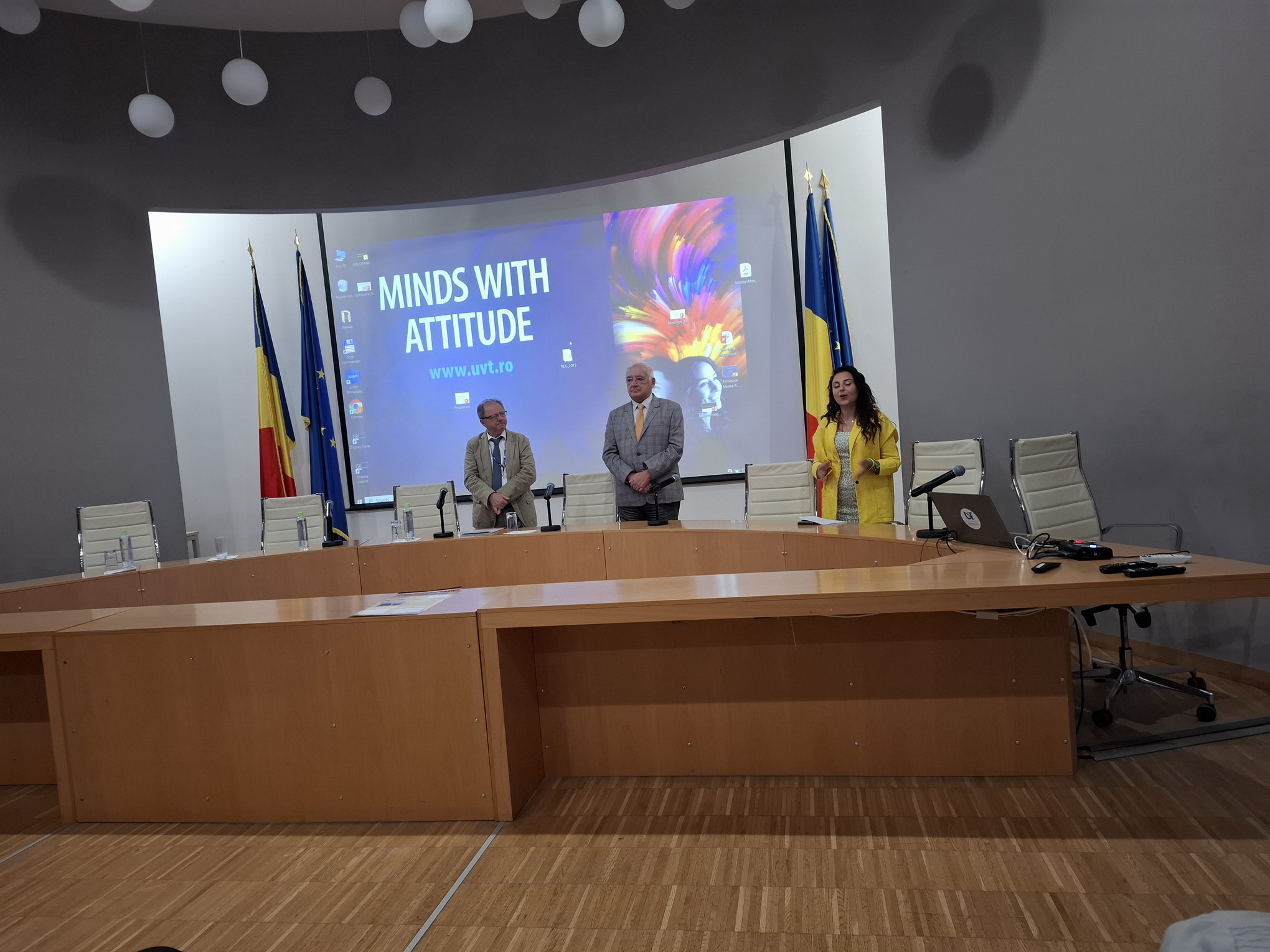
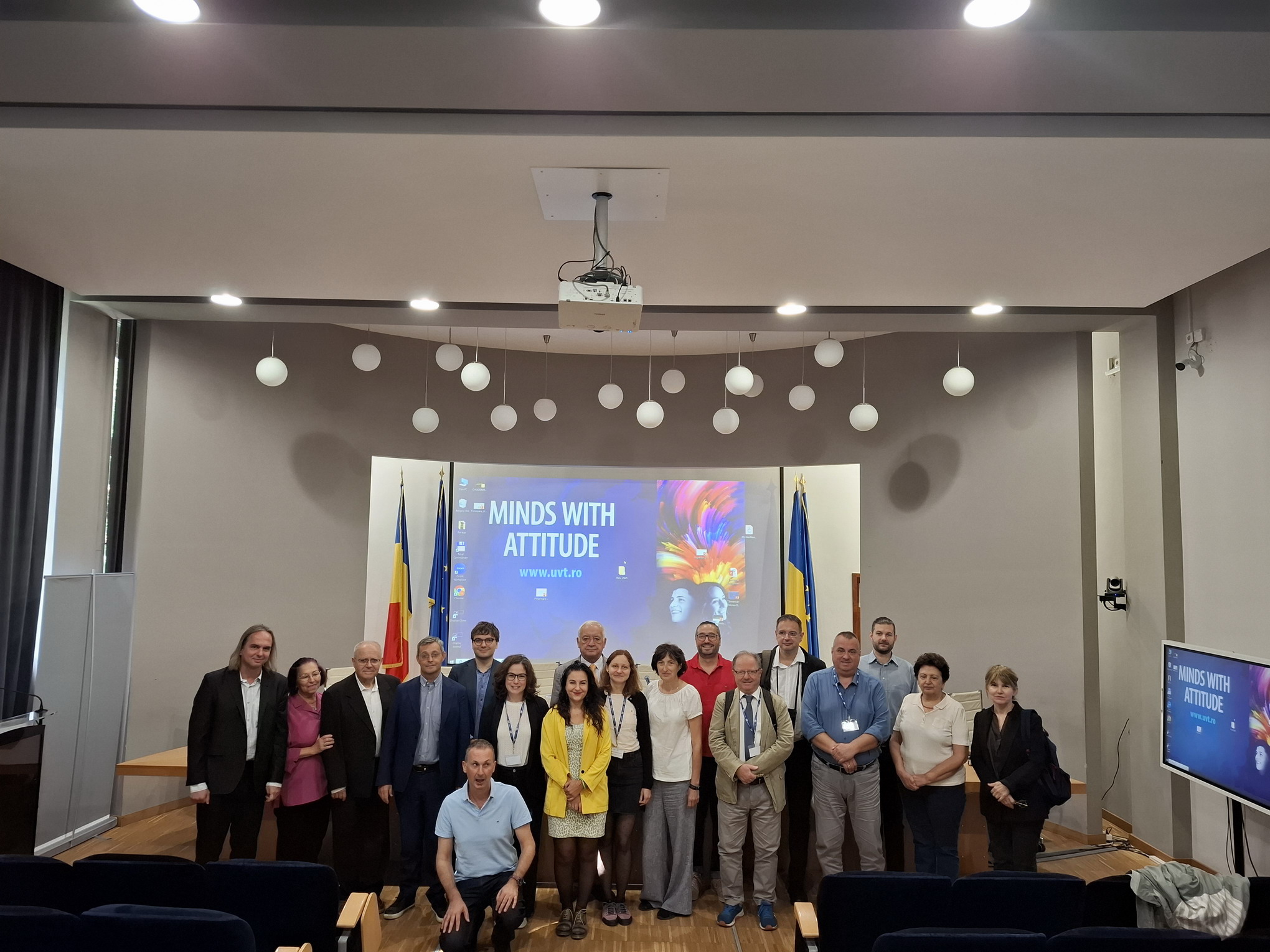
Mensa rotunda epigraphica, Timișoara, 23-24.09.2025 Program
La romanita orientale e Italia dall’antichita fino al XX secolo, Roma, 14-15.10.2021 Program
F. Papers presented at national and international conferences
1. Annamária – Izabella Pázsint, Notes prosopographiques sur les beneficiarii de la Mésie Inferieure, International conference Mensa rotunda epigraphica, Timișoara.
2. Ana Odochiciuc, Armée et ressources dans la province de Dacie: la gestion militaire du sel et de l’or, International conference Mensa rotunda epigraphica, Timișoara.
3. Lucrețiu Mihailescu-Bîrliba, Les routes et les beneficiarii. Une réévaluation du dossier épigraphique de Nifon (Mésie Inférieure), International conference Mensa rotunda epigraphica, Timișoara.
4. Rada Varga, George Bounegru, A new conductor pascui et salinarum and the administration of the salt mines from Dacia, International conference Mensa rotunda epigraphica, Timișoara.
5. Ioan Piso, Călin Timoc, Un nouveau gouverneur des trois Dacies à Tibiscum, International conference Mensa rotunda epigraphica, Timișoara.
6. Annamária-Izabella Pázsint, Les beneficiarii dans la société de Mésie Inférieure, Roma.
7. Rada Varga, Ana Odochiciuc, Strategic Policing.The Presence of Beneficiarii in Roman Dacia, Roma.
8. Lucrețiu Mihailescu-Bîrliba, Propriétaires fonciers et ressources a Ibida (Mesie Inferieure). Sources épigraphiques et archéologiques, Roma.
9. L. Mihailescu-Bîrliba, The beneficiarii of Montana and vicinia. Economic and strategic role, Greeks and Hyperboreans. RAIA International Conferece, Timișoara, 9-11 octombrie 2025 Program.
10. A. Odochiciuc, L. Mihailescu-Bîrliba, Mapping hinterland resources in the rural landscape of Greek poleis Istros and Tomis during the Roman period, , Greeks and Hyperboreans. RAIA International Conferece, Timișoara, 9-11 octombrie 2025 Program.
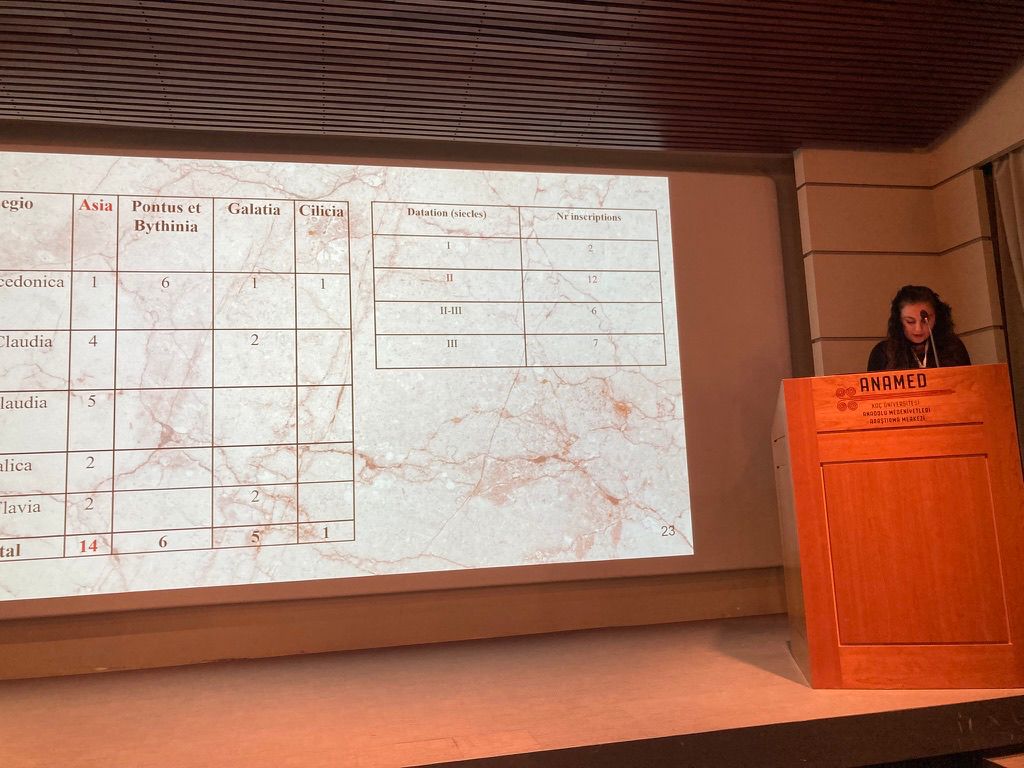
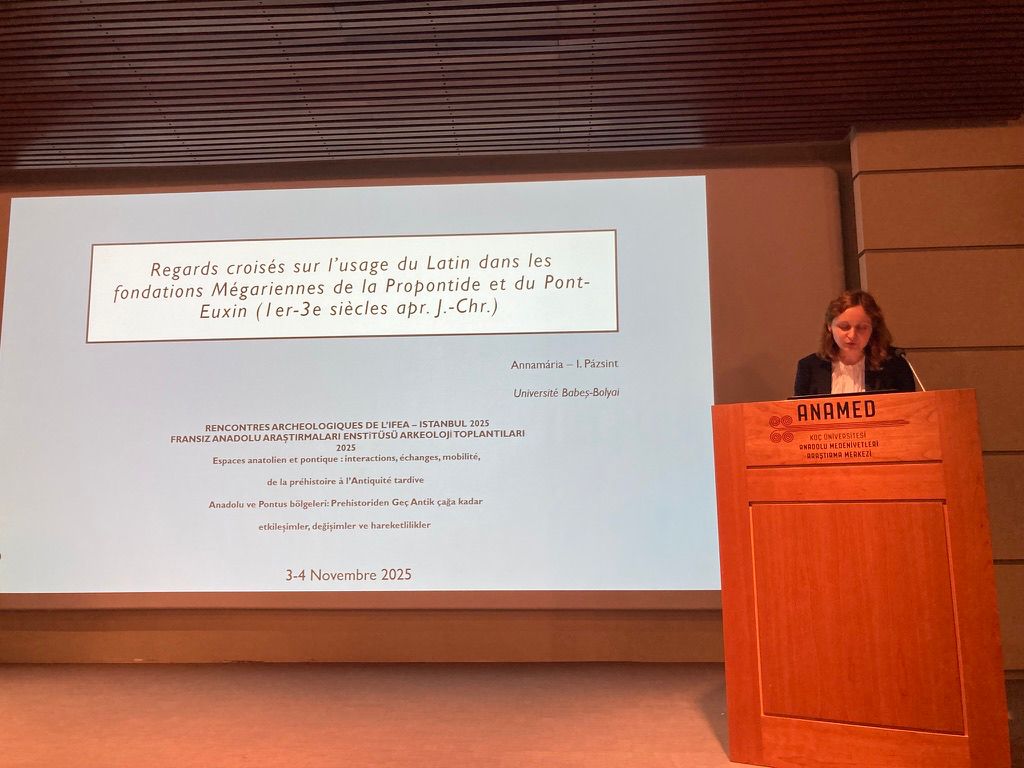
11. Lucrețiu Mihailescu-Bîrliba, Vétérans originaires d’Asie Mineure dans le milieu rural de Mésie Inférieure, 12. Rencontres Archéologiques IFEA, Istanbul 3-4 noiembrie 2025 Program
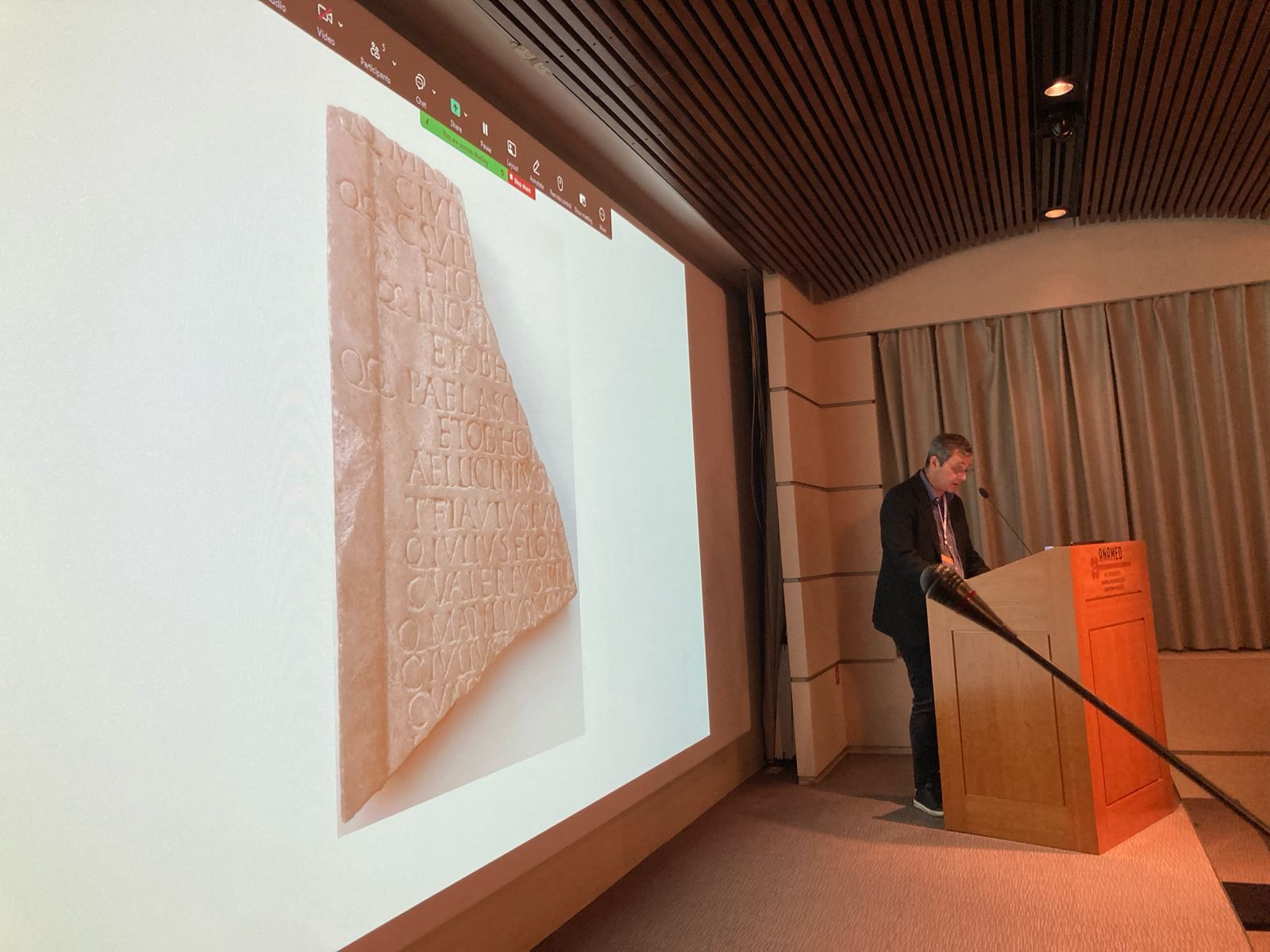
12. Ana Odochiciuc, Aspects de la mobilité militaire entre les provinces mésiques et l’Anatolie 12. Rencontres Archéologiques IFEA, Istanbul 3-4 noiembrie 2025 Program
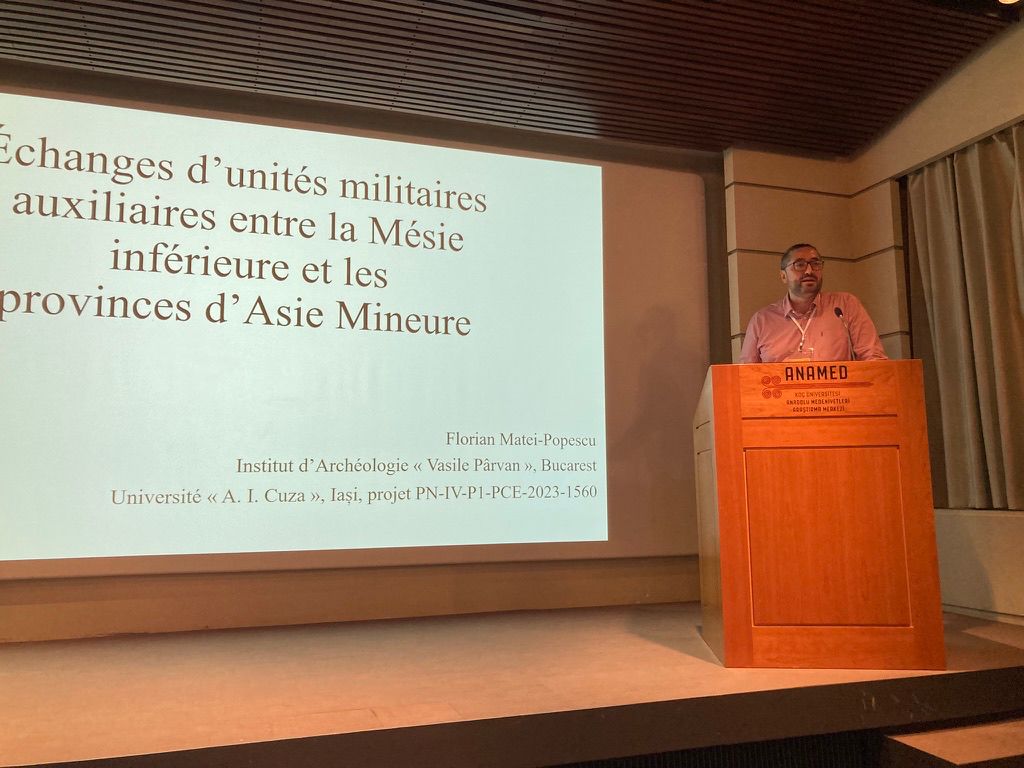
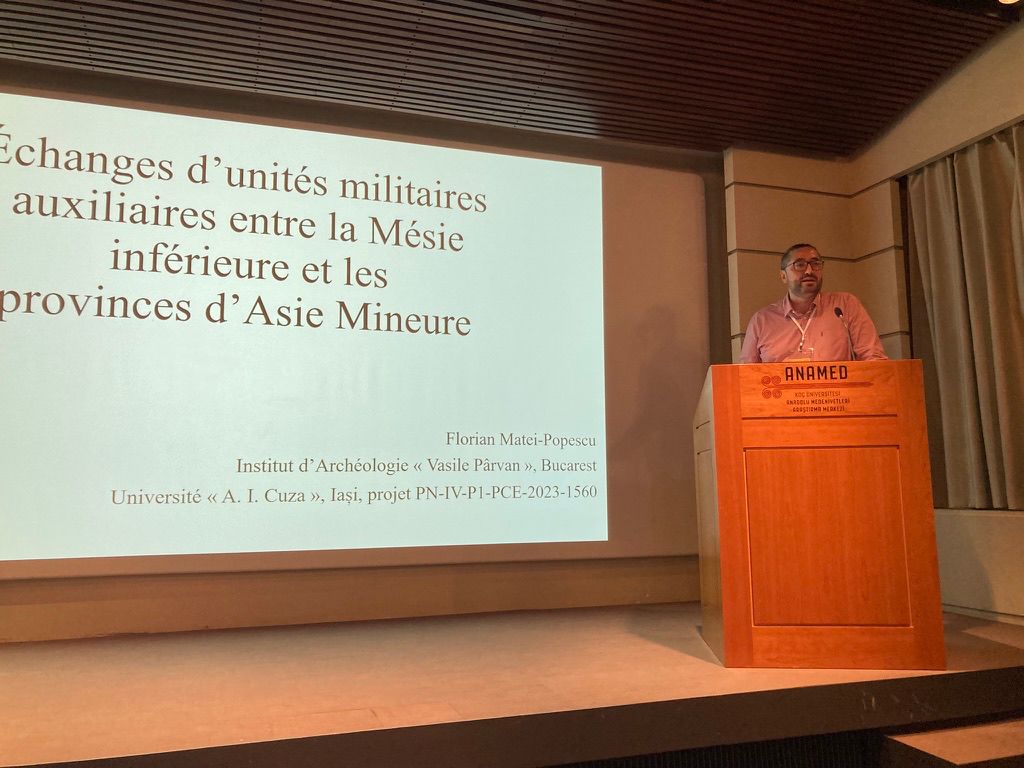
13. Florian Matei-Popescu, Échanges d’unités militaires auxiliaires entre la Mésie inférieure et les provinces d’Asie Mineure 12. Rencontres Archéologiques IFEA, Istanbul 3-4 noiembrie 2025 Program
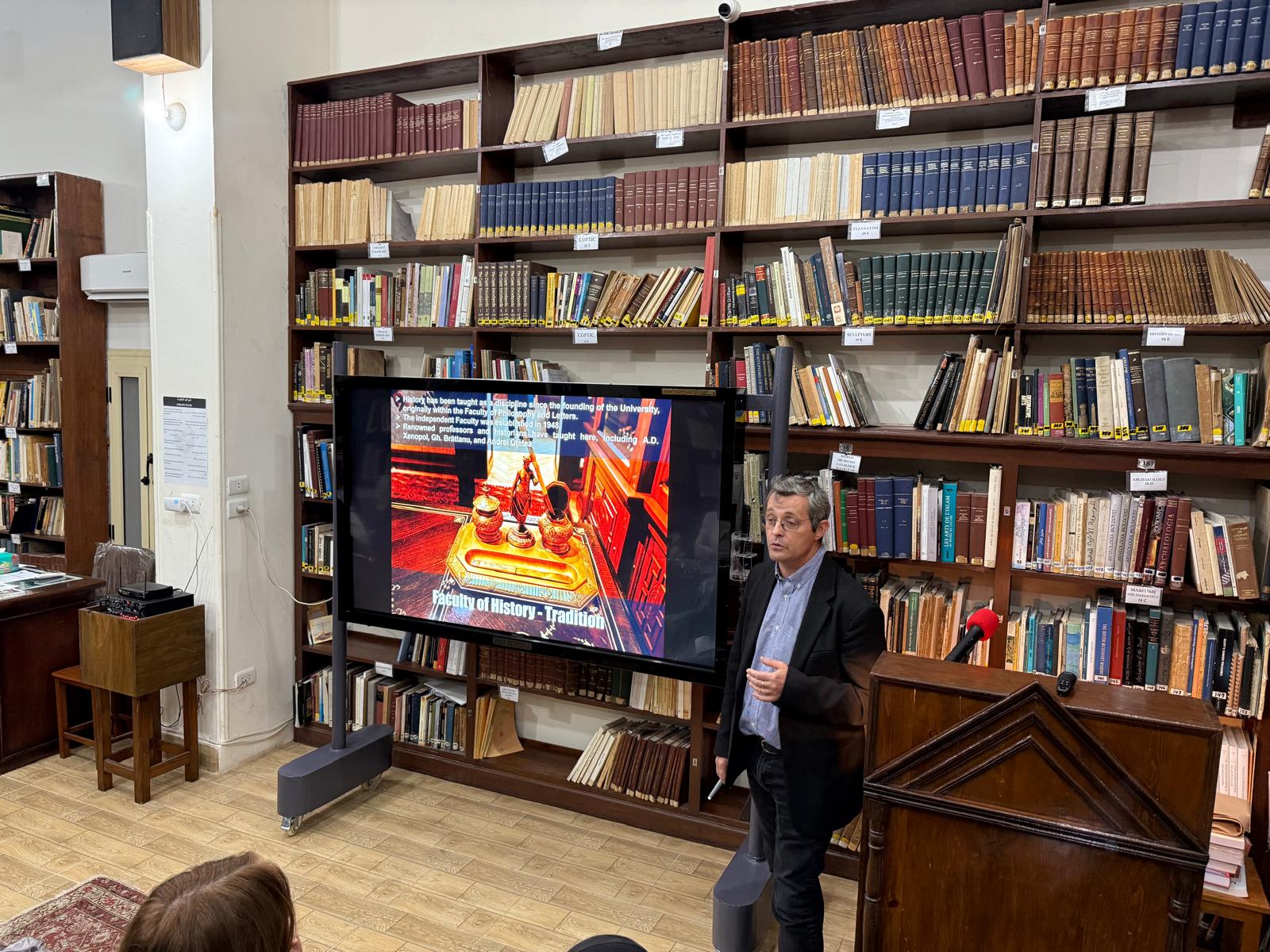
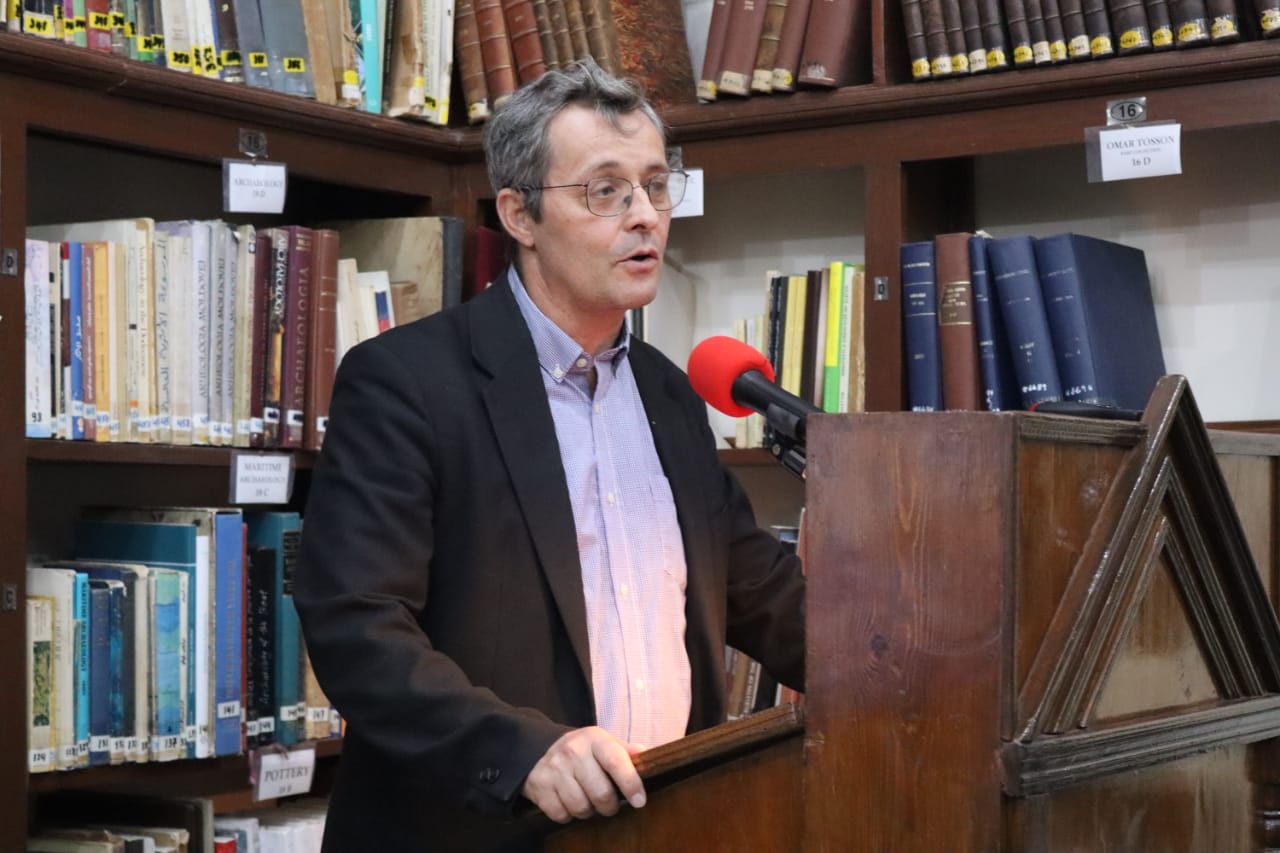
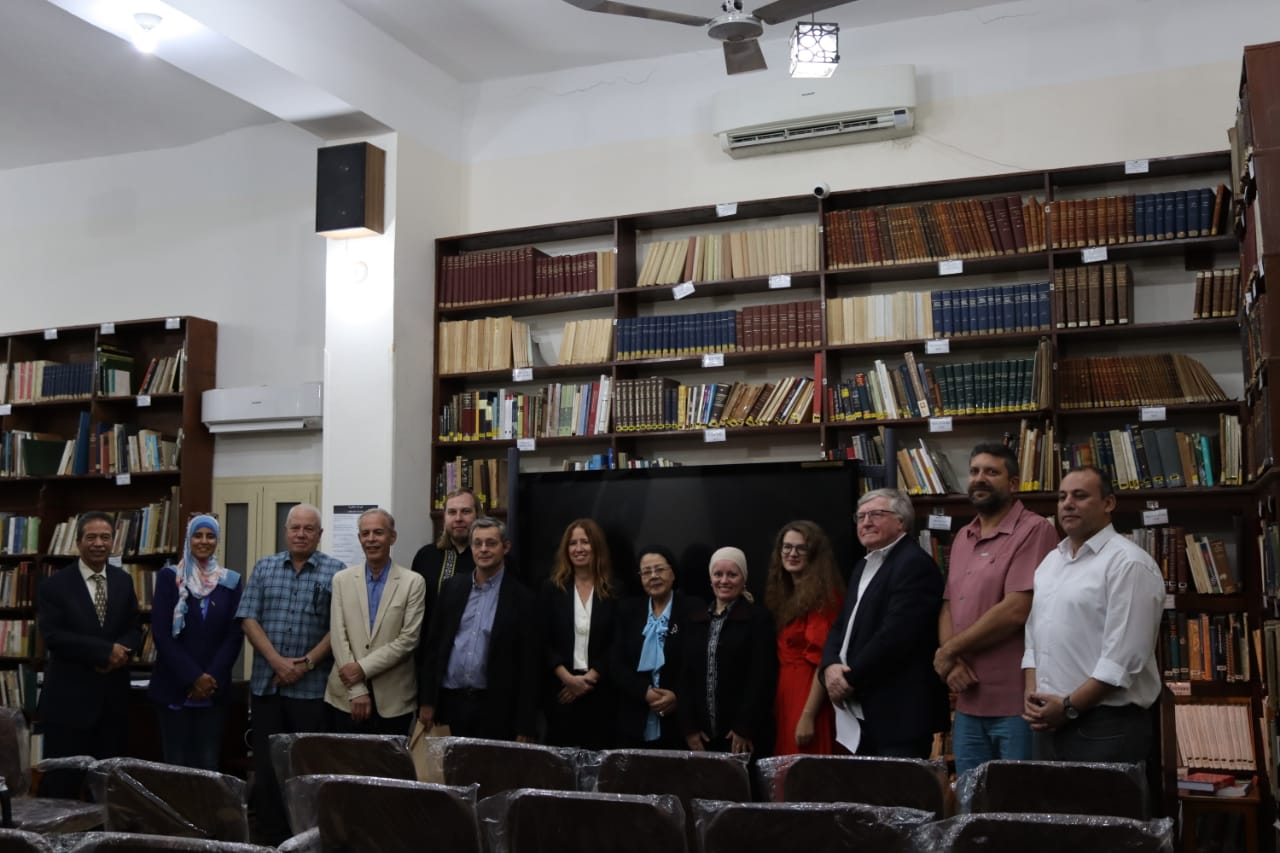
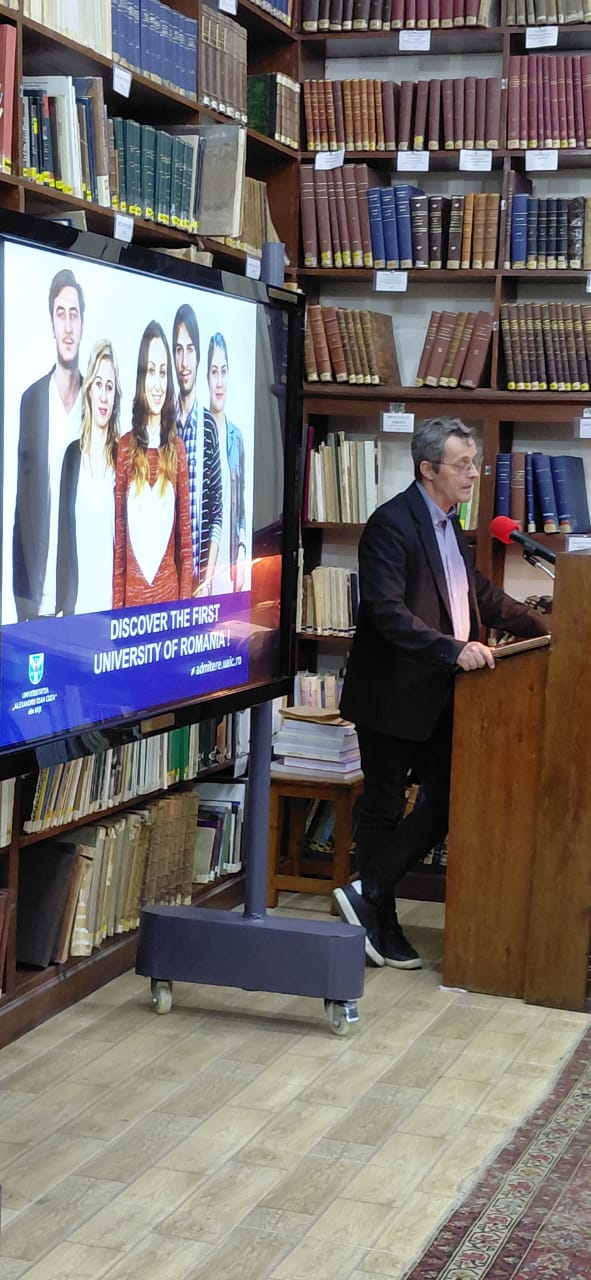
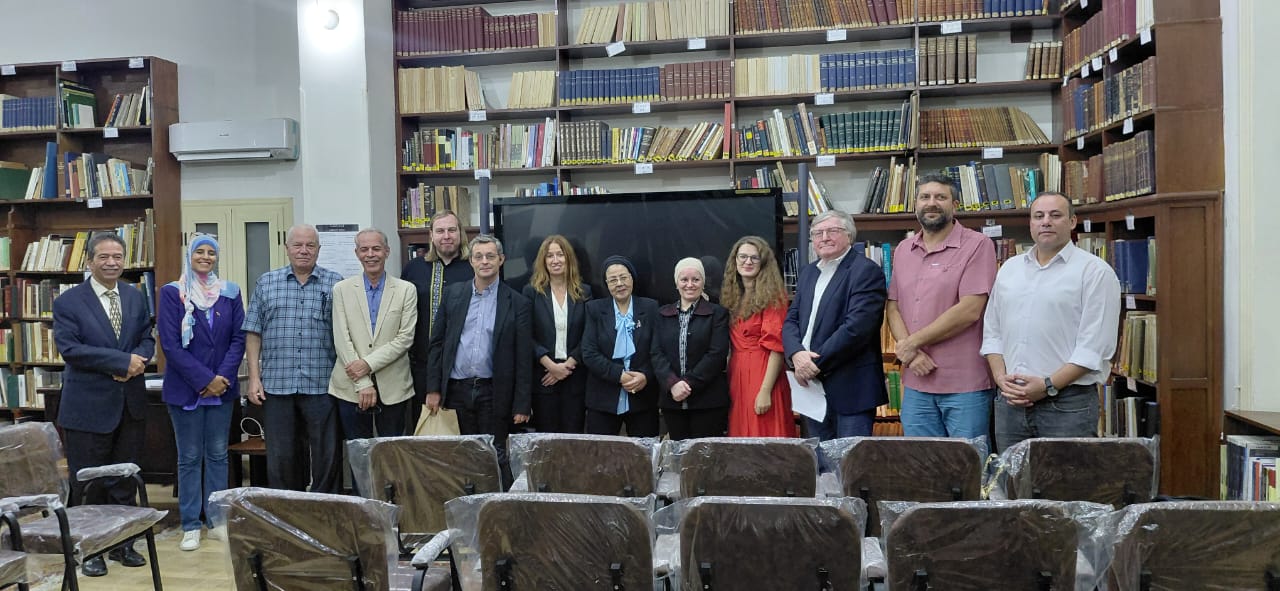
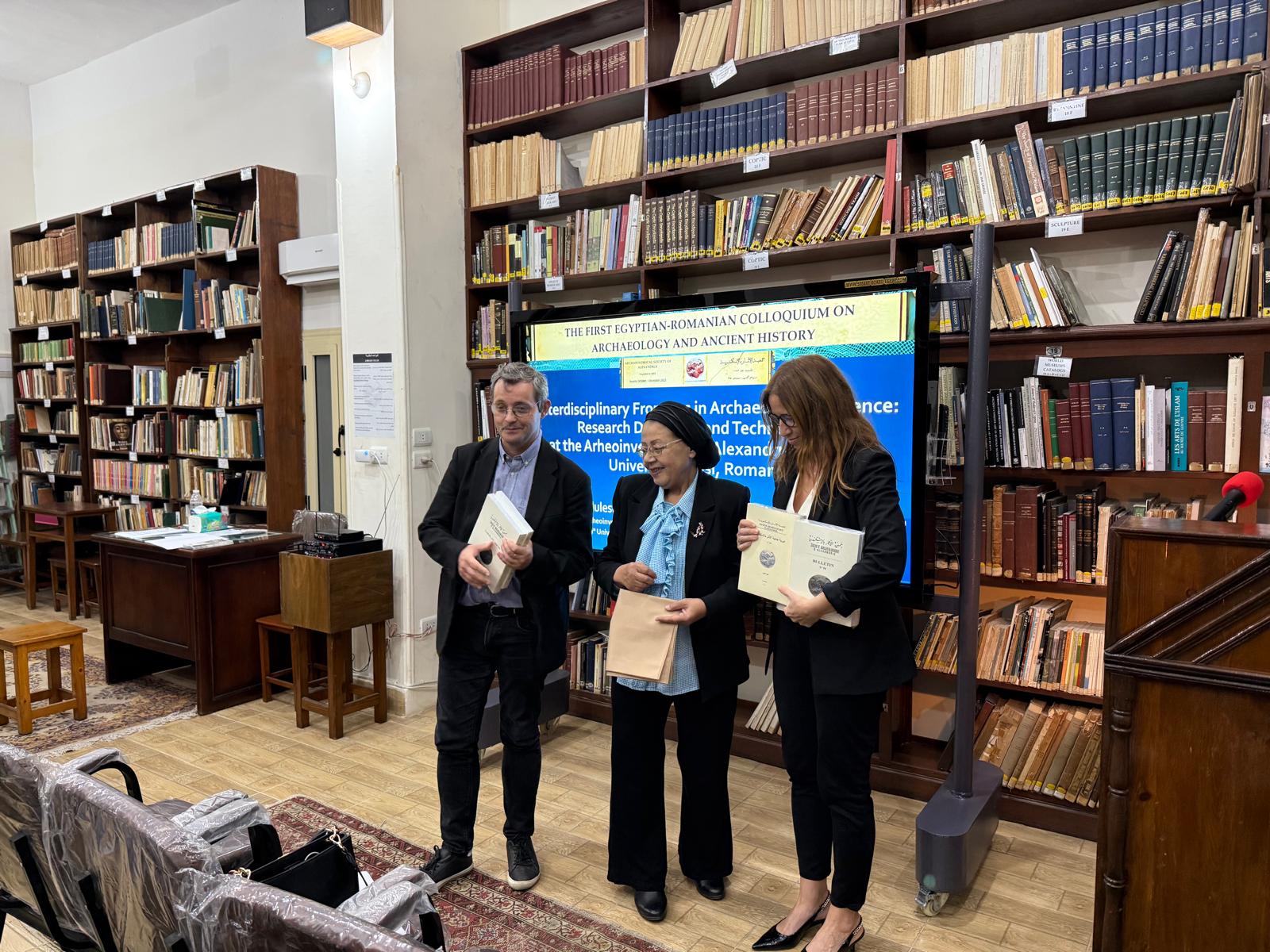
14. L. Mihailescu-Bîrliba, Roads-Customs-Army. A New Project on Beneficiarii at Lower Danube, The First Egyptian-Romanian Colloquium on Archaeology and Ancient History, Alexandria, 8-9 noiembrie 2025. Program
Notă: pentru colocviile de la Timișoara și Roma a se vedea link-urile de la punctul d.
Annamária-Izabella Pázsint nu este încă remunerată din proiect, dar a susținut comunicări în cadrul proiectului
G. Documentation travels at foreign institutions
Lucreţiu Bîrliba, Accademia di Romania Roma, octombrie 2025.
Rada Varga, Accademia di Romania Roma, octombrie 2025
Ana Odochiciuc, Accademia di Romania Roma, octombrie 2025.
Florian Matei-Popescu, Institut Français d’Études Anatoliennes, Istanbul noiembrie 2025.
New announcements
International conference Mensa rotunda epigraphica, Timișoara, September 23rd-24th 2025 Program
La romanita orientale e Italia dall’antichita fino al XX secolo, Roma, 14-15.10.2021 Program
Rencontres Archéologiques IFEA, Istanbul 3-4 noiembrie 2025 Program
The First Egyptian-Romanian Colloquium on Archaeology and Ancient History, Alexandria, 8-9 noiembrie 2025 Program
Contact
Prof. univ. dr. Lucreţiu Bîrliba
- Facultatea de Istorie, Universitatea “Alexandru Ioan Cuza” din Iaşi
Bd. Carol I, nr 11, 700506 – Iaşi, România- e-mail: blucretiu@yahoo.com
Photo gallery